The Core Update
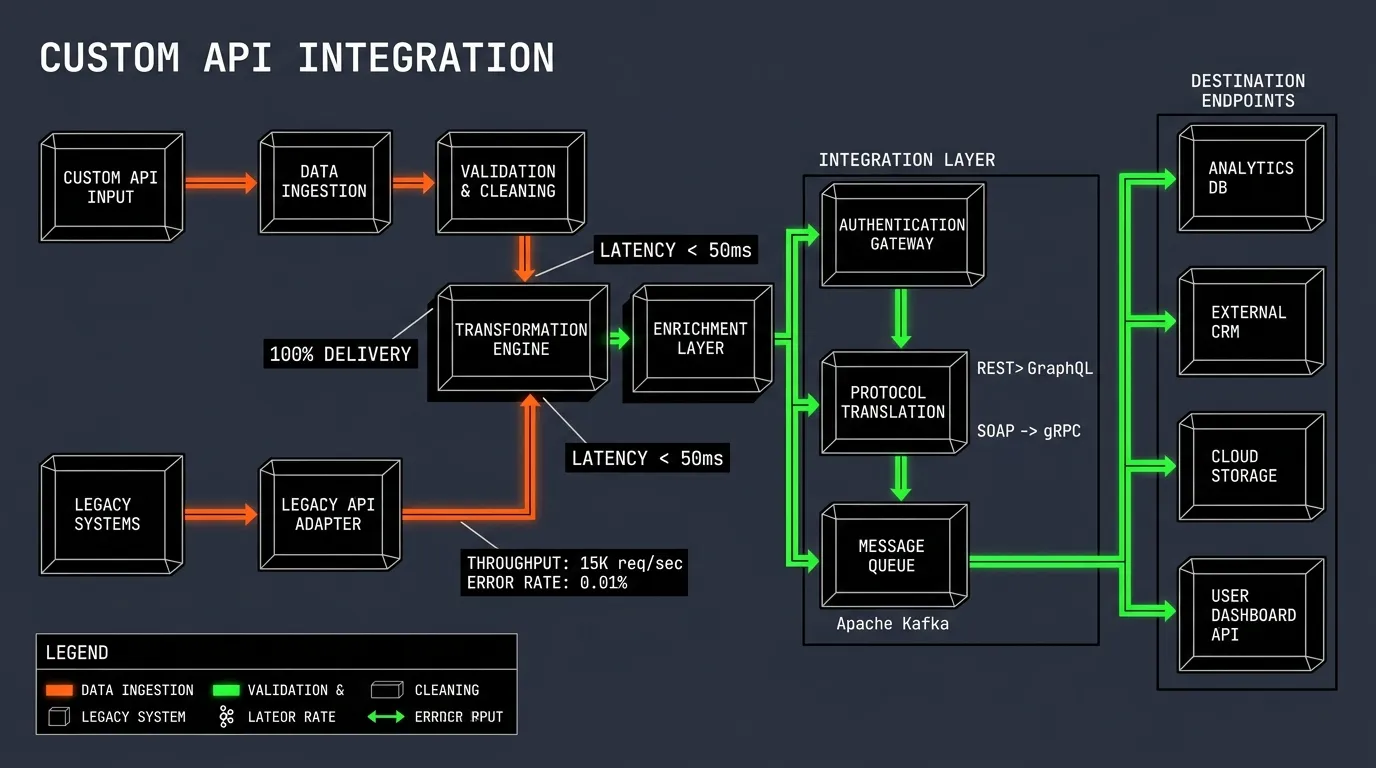
Google published architectural patterns isolated from top submissions in their AI Agents Challenge. While most teams claimed multi-agent setups, many relied on prompt chains wrapped in cosmetic agent personas.The highest-ranking implementations abandoned chat-first interfaces. Instead, they built bidirectional Model Context Protocol (MCP) integrations. In this structure, an agent uses MCP tools internally to read infrastructure telemetry, runs its analysis, and serves that logic back out as an external MCP server for other agents to consume directly.
Official Source: Google Announcement
Technical Impact & Mechanism
Most builders use MCP in one direction. An agent queries a server, grabs context, and spits text into a UI. That creates severe bottlenecks in production systems.First, naive database connections break context budgets. When an LLM executes raw SQL against an operational database, it often pulls back hundreds of rows. Context windows fill up. Compute costs spike. Logic breaks. By mediating data access through dedicated MCP tool layers, the agent only requests specific artifacts—such as a single query execution plan or an isolated stack trace.
Second, human chat UIs kill machine velocity. If an engineer has to read an agent output and paste it into their IDE, the system fails. Exposing the reasoning layer as an MCP server allows upstream tools—like terminal agents or IDE copilots—to call the diagnostic agent as an automated subroutine.
# Exposing telemetry reasoning via an MCP Server pattern
from mcp.server.fastmcp import FastMCP

mcp = FastMCP("telemetry-diagnostics")

@mcp.tool()
def inspect_job_failure(job_id: str) -> dict:
    """Fetches filtered trace data instead of dumping full database tables."""
    # Bound query prevents context window overflow
    trace = db_client.get_execution_trace(job_id, limit_frames=5)
    if not trace:
        return {"status": "clean", "error": None}

    return {
        "job_id": job_id,
        "root_cause_frame": trace.root_cause,
        "memory_peak_mb": trace.peak_memory
    }

if __name__ == "__main__":
    # Listens for calls from IDE agents or terminal workers
    mcp.run()
When exposing reasoning endpoints to external callers, access control is non-negotiable. Internal tools assume trusted environments. Exposed MCP endpoints require explicit scopes, token limits, and strict identity verification to prevent compute draining.
Action Plan for Developers & Businesses
- Stop dumping SQL into prompt context. Build domain-specific MCP tools that filter and constrain telemetry before it hits your model's reasoning loop.
- Eliminate dashboard middle-men. If an agent analyzes data, turn its output into an MCP tool. Let other agents query it programmatically instead of forcing humans to copy-paste answers.
- Lock down tool permissions. Adding an external interface turns your model into a public API. Enforce authentication and rate limits before exposing tool endpoints to third-party callers.
Looking to scale intelligent systems without hitting context limits or security walls? Review past implementations in Case Studies & Work or discuss your backend setup via Contact Waleed.