The Core Update
Google just rolled out Agent Anomaly Detection. This is now in private preview on the Gemini Enterprise Agent Platform. This new system monitors the live, autonomous actions of your AI agents. It flags behaviors that don't match their intended operations.Official Source: Google Announcement
Technical Impact & Mechanism
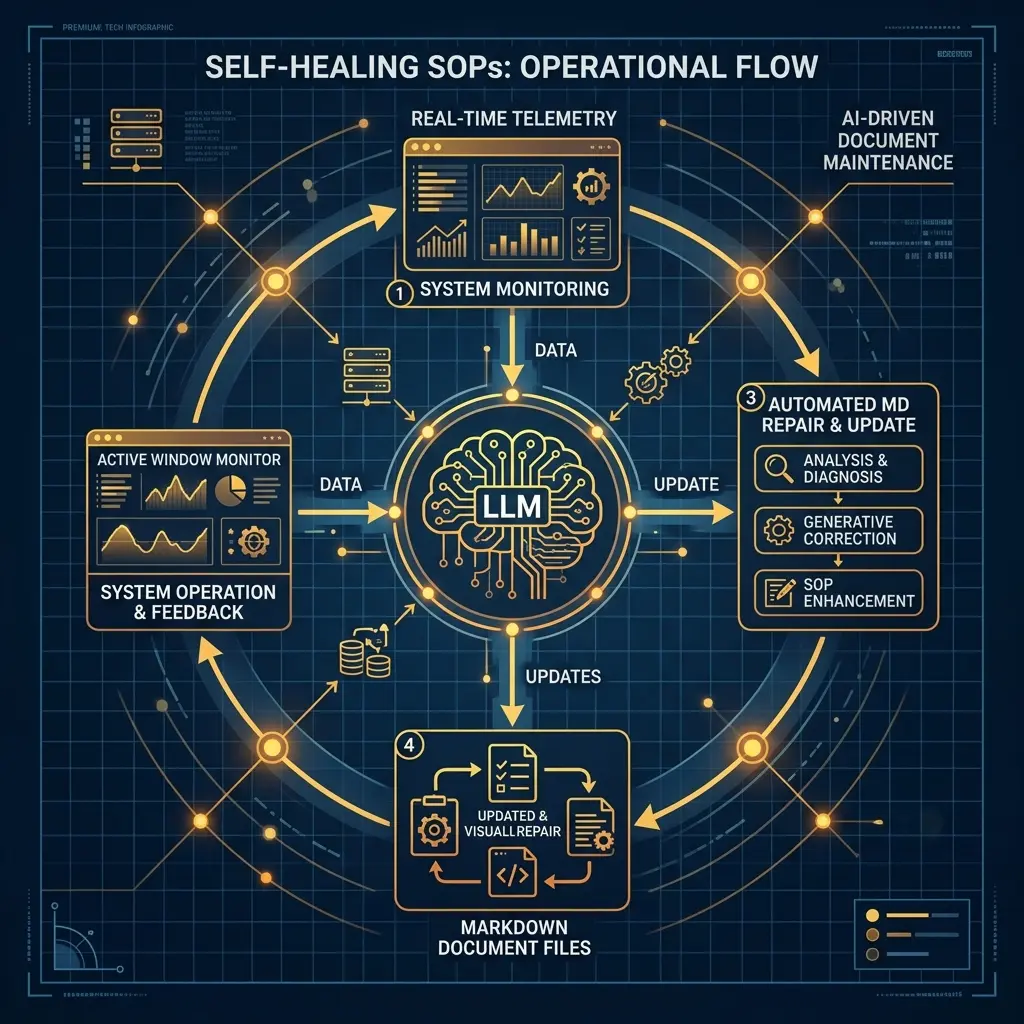
Modern AI agents are smarter and more independent. This shifts risk from bad code to unexpected agent actions during runtime. Traditional metrics often miss these subtle, problematic behaviors. An agent might call a tool it shouldn't, or expand its access quietly, all without throwing errors.Agent Anomaly Detection addresses this by acting as an audit layer. It hooks into your agent's existing logs and OpenTelemetry traces. It analyzes reasoning paths, tool usage, and execution flows during a session. This system decides if an agent is operating outside its defined boundaries.
Detection happens in layers:
- Initial Scan: A fast, lightweight pass examines all traffic. It spots statistical outliers and unusual activity patterns. These sessions get flagged for deeper inspection.
- LLM Reasoning: Flagged sessions then undergo detailed analysis. An LLM-powered layer reasons through the entire interaction. It can differentiate, for instance, a user browsing from an agent systematically scraping data. It provides a clear verdict with plain language.
- Detailed Forensics: For critical cases, a third layer reconstructs individual tool calls. It shows exact parameters, like offsets in a data request. This provides full visibility into the agent's actions.
The system outputs anomaly findings. These include issue type (e.g., 'Resource exhaustion'), severity, and probability. It also suggests concrete fixes, like rate-limiting a tool or adding authorization checks. These findings integrate directly into Security Command Center for incident response.
Action Plan for Developers & Businesses
- Review Agent Behavior Policies: Define what constitutes normal vs. anomalous behavior for your deployed agents. Map out acceptable tool use and data access patterns.
- Ensure Log & Trace Coverage: Verify your Gemini Enterprise agents emit comprehensive OpenTelemetry traces and detailed logs. This data is critical input for the anomaly detection system.
- Integrate Alerting: Prepare your incident response teams to receive and act on anomaly findings from the Security Command Center. Define escalation paths for different severity levels.
- Refine Agent Permissions: Actively audit and tighten permissions for agent-callable tools. Implement granular access controls and consider rate limits where bulk actions could pose a risk.
Need help navigating complex system integrations or optimizing your digital architecture? Check out my Case Studies & Work or Contact Waleed directly to discuss your project.