The Core Update
Previous autonomous AI agent security often fell short. It relied heavily on predefined, explicit rules. These rules struggled with nuanced threats. Think a valid SQL query with malicious intent. Or a standard regex failing to distinguish asset types during a return. Google's latest update, Part 2 of their zero-trust agents series, shifts this paradigm. Security checks now move to the platform itself. This new approach judges an agent's intent and adapts to its behavior at runtime. Governance responsibility also moves. Platform or security administrators now define and manage these policies. Agent developers can focus purely on agent functionality.
Official Source: Google Announcement
Technical Impact & Mechanism
The previous deterministic controls — signed database writes, gVisor isolation, and CI-backed I/O gateways — had a limitation. They only caught what you explicitly specified. This new update, deployed on the Gemini Enterprise Agent Platform, replaces self-hosted container infrastructure and manual regex lists. It introduces managed runtime governance.
Key mechanisms include:
- Model Armor: A foundational protective layer ensuring secure model execution.
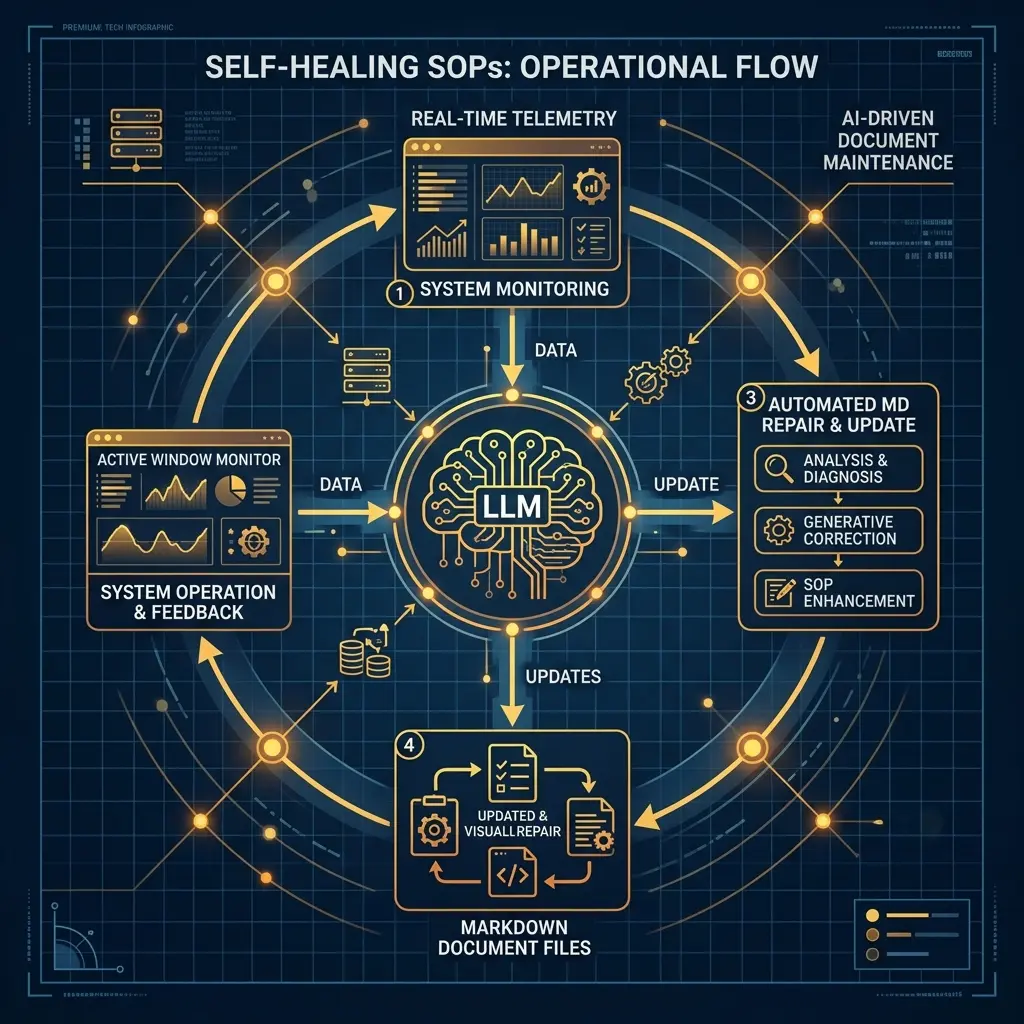
- Agent Anomaly Detection with Closed-Loop Remediation: The platform continuously monitors agent behavior. It identifies deviations from established norms. When an anomaly is detected, the system automatically triggers a pre-defined corrective action, like blocking the action or escalating to a human review. This provides self-healing security.
Consider a policy to prevent fraudulent returns of digital goods:
apiVersion: security.gcp.dev/v1
kind: SemanticGovernancePolicy
metadata:
  name: restrict-digital-license-refunds
spec:
  intent_match:
    action: "issue_refund"
    target_type: "digital_license"
  conditions:
    - condition_type: "manual_override_required"
      message: "Digital license refunds need human verification."
  remediation:
    action: "block_and_escalate"
    escalation_target: "security_team_alert"
  enforcement_mode: "pre_execution"
This policy isn't looking for a specific refund amount. It's looking for the intent to refund a specific type of item without proper authorization.
Action Plan for Developers & Businesses
- Audit Current Agent Security: Review your existing AI agent deployments. Identify where current static controls might miss intent-based threats.
- Define Intent-Based Policies: Collaborate with security and compliance teams. Start drafting Semantic Governance Policies. Focus on the purpose of agent actions.
- Integrate Anomaly Detection: Configure and integrate Agent Anomaly Detection. Establish clear closed-loop remediation strategies for detected issues.
- Redefine Ownership: Formalize the separation of concerns. Security/platform admins own the governance policies. Agent developers build the core agent logic.
> Need help navigating these complex platform shifts or architecting secure AI systems? See my Case Studies & Work or Contact Waleed directly to discuss your specific challenges.