The Core Update
Google introducedautofinetune. This new project automates LLM post-training. It deploys AI agents. These agents manage entire fine-tuning experiments. They discover optimal LoRA ranks. Agents refine learning rate schedules. They also tune batch sizes. Verified improvements are committed automatically. This reduces manual intervention significantly.
Official Source: Google Announcement
Technical Impact & Mechanism
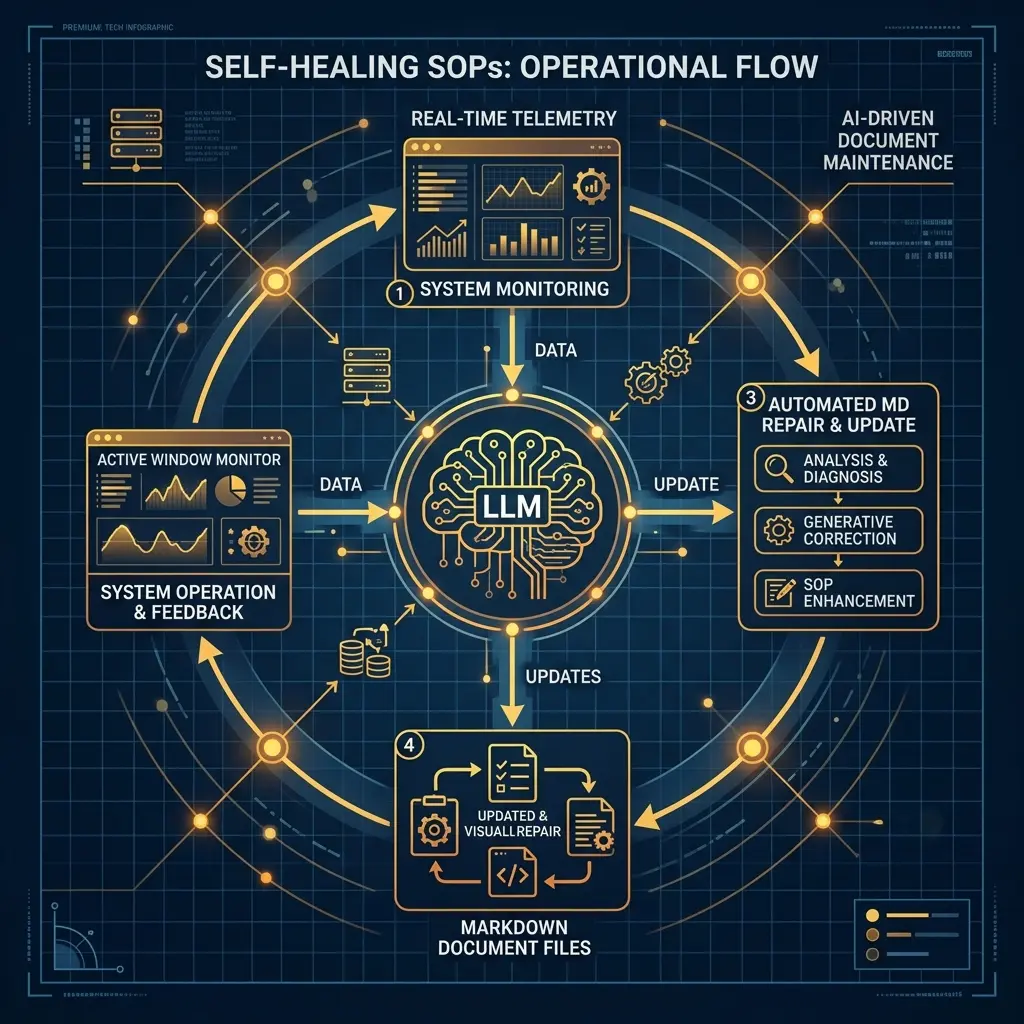
Traditionally, LLM fine-tuning demanded repetitive manual cycles. Engineers would adjust parameters. They'd run experiments. This was time-consuming.autofinetune changes this. It uses an autonomous research loop. AI agents iteratively explore configurations. This system runs on Google's full AI stack. It combines Tunix for execution. Gemma provides base models. Cloud TPUs deliver compute power. Antigravity CLI orchestrates tasks. Gemini Flash 3.7 drives agent intelligence. Agents actively adjust hyperparameters. They optimize for specific metrics. For instance, improving function call accuracy. This mechanism automates parameter search. It accelerates model improvement.
CONSOLE // JSON
SYNTAX_CHECK: OK
{
  "autofinetune_config": {
    "model_id": "google/functiongemma-270m-it",
    "dataset": "google/mobile-actions",
    "optimization_target": "function_call_accuracy",
    "agent_parameters": {
      "lora_rank_range": [8, 64],
      "learning_rate_schedule": "auto",
      "batch_size_range": [4, 32],
      "optimizer_options": ["adam", "sgd"]
    },
    "hardware_allocation": "tpu_v4_8",
    "output_git_repo": "your-model-improvements"
  }
}
Action Plan for Developers & Businesses
- Evaluate Current LLM Fine-tuning Overhead: Identify manual steps. Quantify time spent on hyperparameter tuning.
- Explore Google Cloud's AI Stack: Familiarize yourself with Tunix, Gemma, and Cloud TPUs. Understand Antigravity CLI's role.
- Define Optimization Objectives Clearly: Specify desired model performance metrics. Agents need precise goals.
- Prepare Data for Automated Input: Ensure your datasets are ready for agent-driven experimentation.