The Core Update
Google has released a functional prototype for multi-agent conversational commerce. NamedHappyDelivery, this prototype demonstrates a robust system on Google Cloud Platform (GCP).
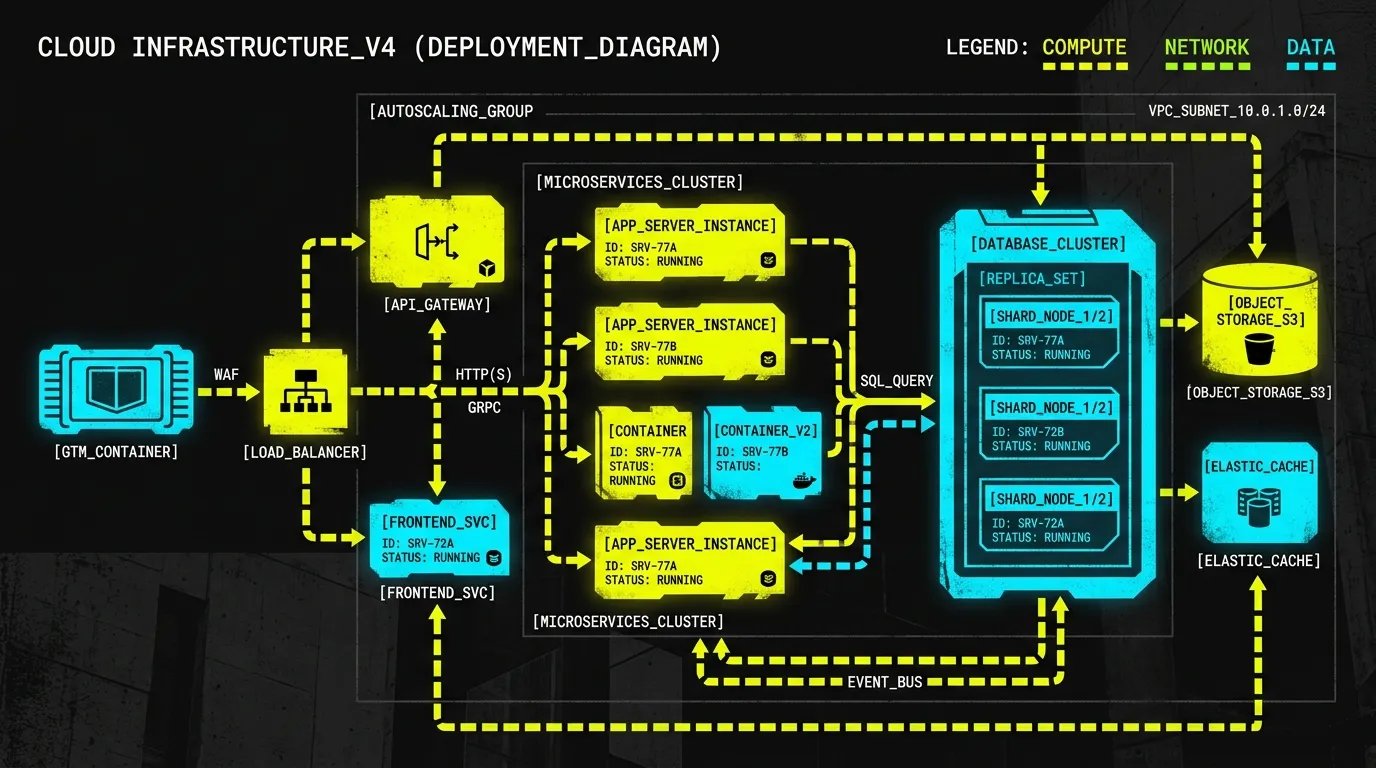
It implements a previously designed 3-layer decoupled architecture. This includes Ingress, Memory, and Cognition layers. The system uses LangGraph, Gemini, and FastAPI. Its purpose is to showcase reliable conversational AI in a commerce context. The prototype includes deterministic financial tools and an automated verification suite.
Official Source: Google Announcement
Technical Impact & Mechanism
Building reliable conversational agents often hits issues. Common problems include managing user state over time. Message timeouts are another frequent hurdle. Ensuring consistent responses across interactions is difficult.This HappyDelivery prototype directly tackles these. It provides a blueprint brought to life.
Mechanism:
- Layered Decoupling: The architecture splits into three distinct parts. This isolation reduces complexity. It improves system stability. Errors in one layer are less likely to impact others.
- Ingress Layer (Layer 1): This layer handles how customer messages enter the system. Users don't connect directly to your GCP backend. Instead, messages travel through the messaging platform's operator ecosystem. They then hit your dedicated GCP webhook endpoint. This design supports various messaging platforms, not just WhatsApp. It centralizes message reception. This simplifies handling diverse message formats.
- Agent Orchestration: LangGraph is critical here. It manages the flow between different AI agents. This allows complex interactions. Gemini provides the core AI intelligence. FastAPI builds the necessary API interfaces on GCP.
Consider a basic webhook setup for message ingestion:
CONSOLE // PYTHON
SYNTAX_CHECK: OK
# Basic FastAPI endpoint for receiving messages
from fastapi import FastAPI, Request, HTTPException

app = FastAPI()

@app.post("/webhook/messages")
async def receive_platform_message(request: Request):
    try:
        # The actual payload structure depends on the messaging platform (e.g., WhatsApp API)
        message_data = await request.json()
        print(f"Incoming message received: {message_data}")

        # Forward this message data to the Memory/Cognition layers for processing
        # Example: some_queue.send(message_data)

        return {"status": "acknowledged", "received_at": "{current_timestamp}"}
    except Exception as e:
        # Handle malformed requests or other ingress errors
        raise HTTPException(status_code=400, detail=f"Message ingress failed: {str(e)}")

# To run this minimal example locally:
# uvicorn your_module_name:app --reload --port 8000
Action Plan for Developers & Businesses
- Re-evaluate Message Ingress: Understand the
HappyDeliveryingress pattern. Design your webhooks to receive and normalize messages from various operator ecosystems. Don't assume direct client-to-server. - Adopt Decoupled AI Architecture: Implement a layered system. Separate your message intake, state management, and AI processing logic. This improves maintainability.
- Explore Agent Orchestration Frameworks: Investigate LangGraph or similar tools. They are vital for managing sophisticated multi-agent interactions.
- Leverage Google Cloud AI: Utilize services like Gemini for conversational intelligence. Integrate them with your FastAPI backend for efficient processing.
Building robust digital systems requires thoughtful architecture and execution. See how we deliver tangible results with Case Studies & Work. Ready to build your next-gen platform? Contact Waleed.