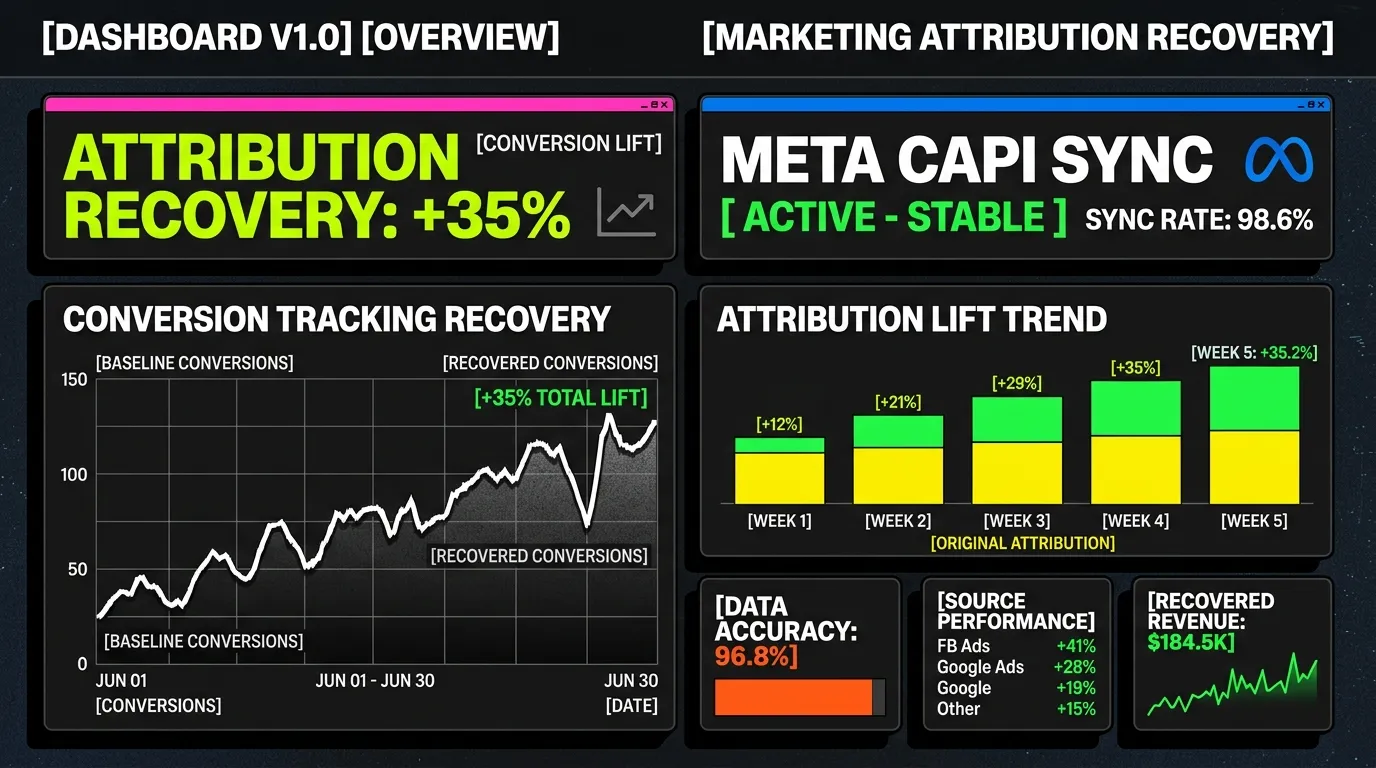
The Core Update
Google has introduced updated bidding and budgeting controls specifically architected to handle the volatility of seasonal shopping spikes. These tools shift the focus toward automated demand-based resource allocation and programmatic promotion management.Official Source: Google Announcement
Technical Impact & Mechanism
The primary shift involves moving away from static manual pacing toward dynamic demand-led budgeting. This leverages machine learning models that adjust bid modifiers in real-time based on high-intent signals.Architecturally, this means your bidding system now relies on lower latency between conversion tracking signals and campaign execution.
// Example: Configuring dynamic budget pacing via Google Ads API { "campaignBudget": { "name": "HolidayCampaignBudget", "amountMicros": 5000000000, "period": "DAILY", "deliveryMethod": "ACCELERATED" } }
This forces a re-evaluation of 'learning periods'. Developers must stop treating 7-day windows as fixed blocks; instead, ingest performance data as a streaming process to avoid model thrashing.
Action Plan for Developers & Businesses
- Normalize Data Pipelines: Ensure your conversion import frequency is sub-hourly to provide the bidding algorithm with fresh, high-fidelity signals during high-traffic events.
- Audit Bid Strategies: Shift from 'Maximize Clicks' to conversion-value-based bidding to allow the model to prioritize high-LTV users over sheer volume.
- De-silo Budgeting: Use automated budget pacing tools to prevent daily caps from throttling performance during peak traffic hours.
Waleed's Developer Perspective Stop fighting the algorithm with manual frequency caps. The infrastructure is designed for high-throughput, automated decision-making. Feed it the right signal, then get out of the way.