The Core Update
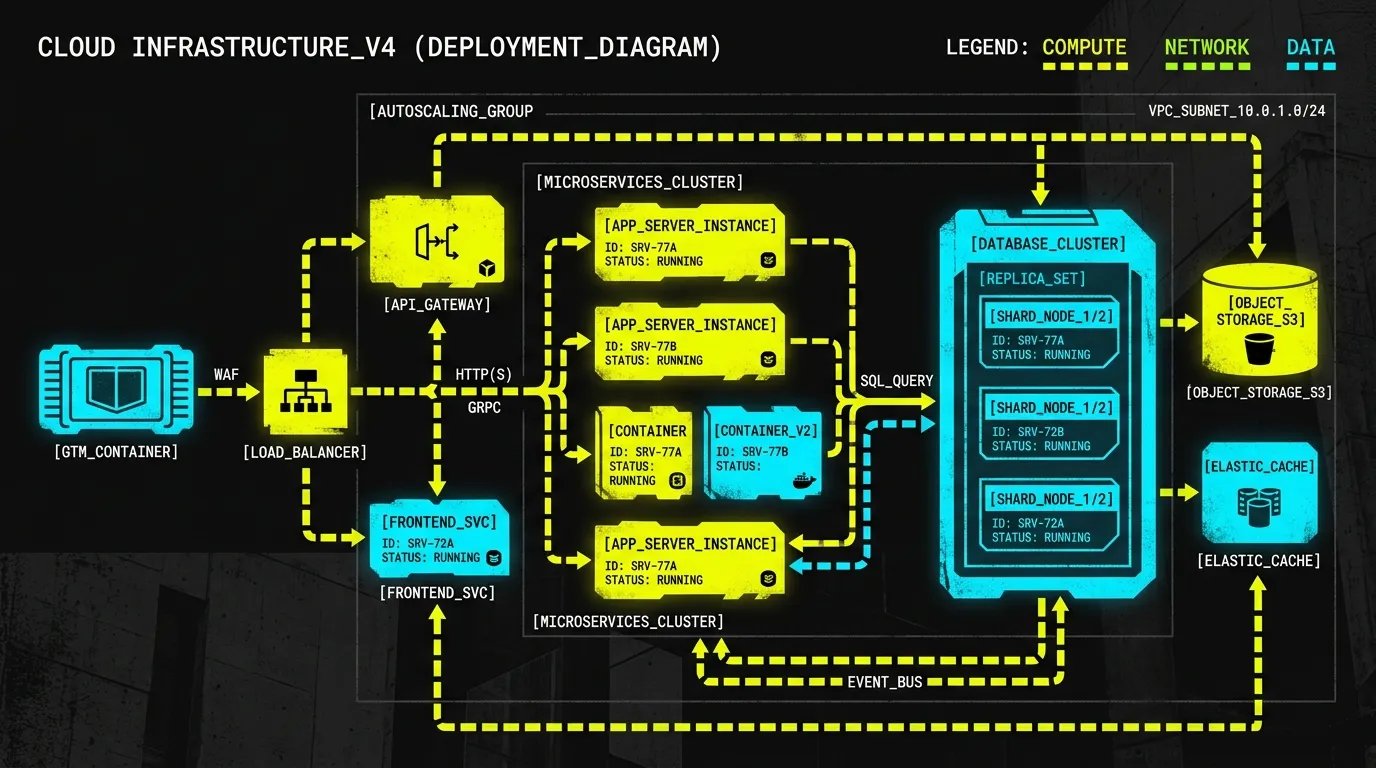
Google API Gateway now supports streaming endpoints natively in public preview. Historically, this service only handled request-response cycles. You can now route streaming traffic—like server-sent events or WebSocket connections—through the same gateway as your standard REST APIs without reconfiguring your specification. Official Source: Google AnnouncementTechnical Impact & Mechanism
Previously, streaming traffic bypassed the gateway to avoid connection termination issues, forcing engineers to manage auth and observability on a separate, non-governed path. Now, long-lived connections (up to one hour) are supported directly. This includes integration with AI model endpoints like Gemini, OpenAI, and Claude.Instead of managing a split estate, your existing API policies for authentication and keys apply globally.
Example: Handling a streaming response
CONSOLE // BASH
SYNTAX_CHECK: OK
# Gateway configurations remain standard.
# No proprietary SDKs required.
# Simply point the backend to a stream-capable URI.
gcloud api-gateway api-configs create my-streaming-config \
  --api=my-api \
  --openapi-spec=spec.yaml \
  --project=my-project
Action Plan for Developers & Businesses
- Consolidate Endpoints: Identify streaming services currently bypassing your gateway. Migrate these routes to the central gateway to centralize logging and auth.
- Implement Reconnection Logic: Since connections have a 60-minute hard limit, ensure your client-side implementation handles dropped streams gracefully via exponential backoff.
- Test Model Routing: If using LLMs, move your inference endpoints behind the gateway to unify how you manage API key enforcement and usage quotas for AI tasks.
> Need to audit your architecture? > Review my recent Case Studies & Work or Contact Waleed to discuss stabilizing your infrastructure.