The Core Update
Google has pushed interface and processing enhancements for Gemini, specifically targeting document-to-knowledge retrieval via 'Study Notebooks' and high-latency voice interaction via Gemini Live. These updates prioritize contextual RAG (Retrieval-Augmented Generation) on user-provided datasets. Official Source: Google AnnouncementTechnical Impact & Mechanism
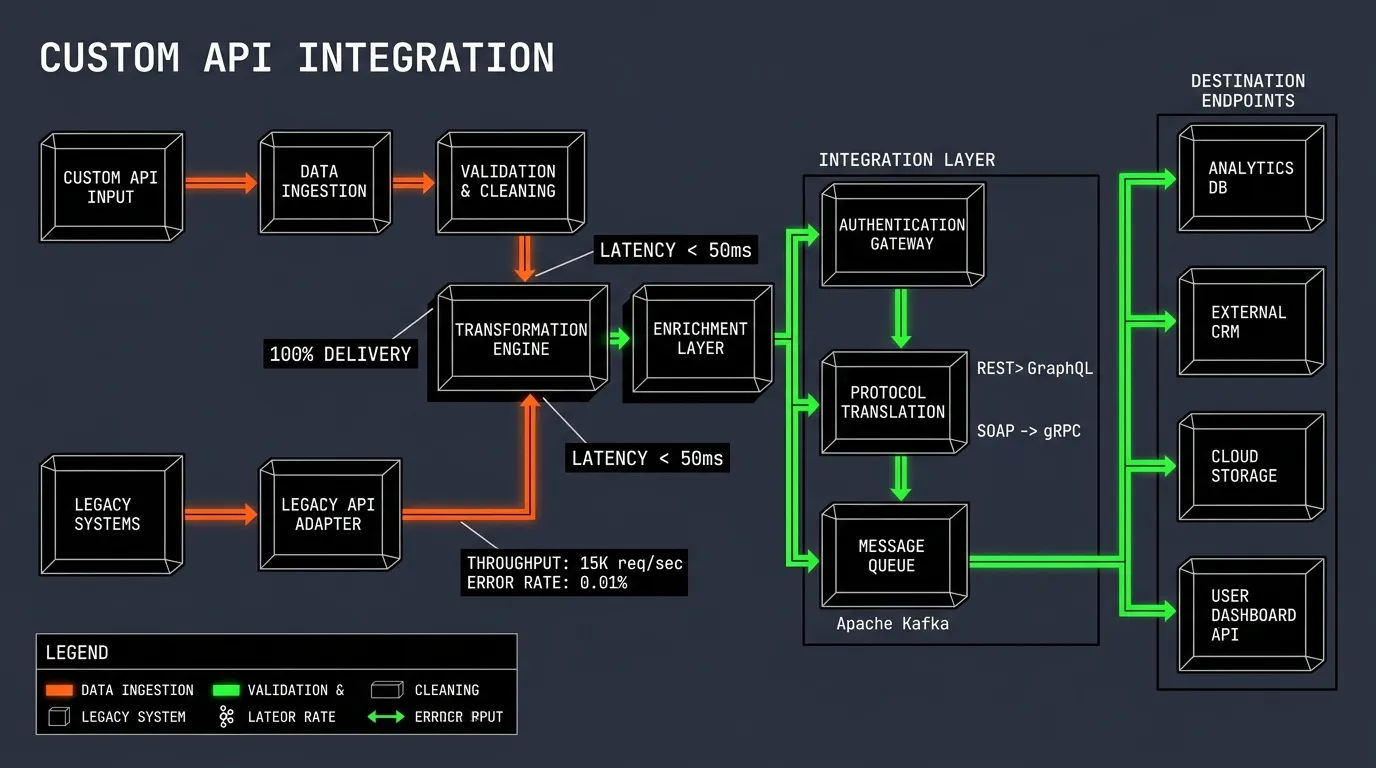
The core shift involves localized RAG pipelines where long-form documents are chunked and vectorized for rapid inference. For developers, this means the underlying model isn't just generating text; it's performing semantic search against uploaded blobs.If you are replicating this functionality using the Gemini API, you are essentially building a private context window. You need to manage your token density to keep the response relevant.
CONSOLE // PYTHON
SYNTAX_CHECK: OK
# Basic implementation flow for RAG-based context
context_data = upload_file("course_material.pdf")
response = model.generate_content(
    "Summarize the key themes in these docs",
    context=context_data,
    generation_config={"temperature": 0.2}
)
Action Plan for Developers & Businesses
- Data Structuring: Stop feeding unstructured dumps into models. Segment your documentation into discrete, logically grouped files to improve vector retrieval precision.
- Voice Latency Testing: If building live-agent interfaces, profile your round-trip time (RTT). Ensure your backend uses streaming responses to minimize the perception of 'thinking' time during complex queries.
- Validation Loops: Use the 'hiring manager' perspective mentioned in the updates as a prompt framework. Automate your internal testing by running outputs against specialized persona prompts to measure logical consistency.