The Core Update
Apple has updated its broadcast delivery stack for the Formula 1 United States Grand Prix. The core infrastructure now supports Dolby Atmos audio alongside existing Dolby Vision, while simultaneously delivering up to 30 concurrent live telemetry and video feeds. This update expands the Multiview feature—previously limited to native hardware—to encompass third-party smart TVs. Official Source: Apple Announcement
Technical Impact & Mechanism
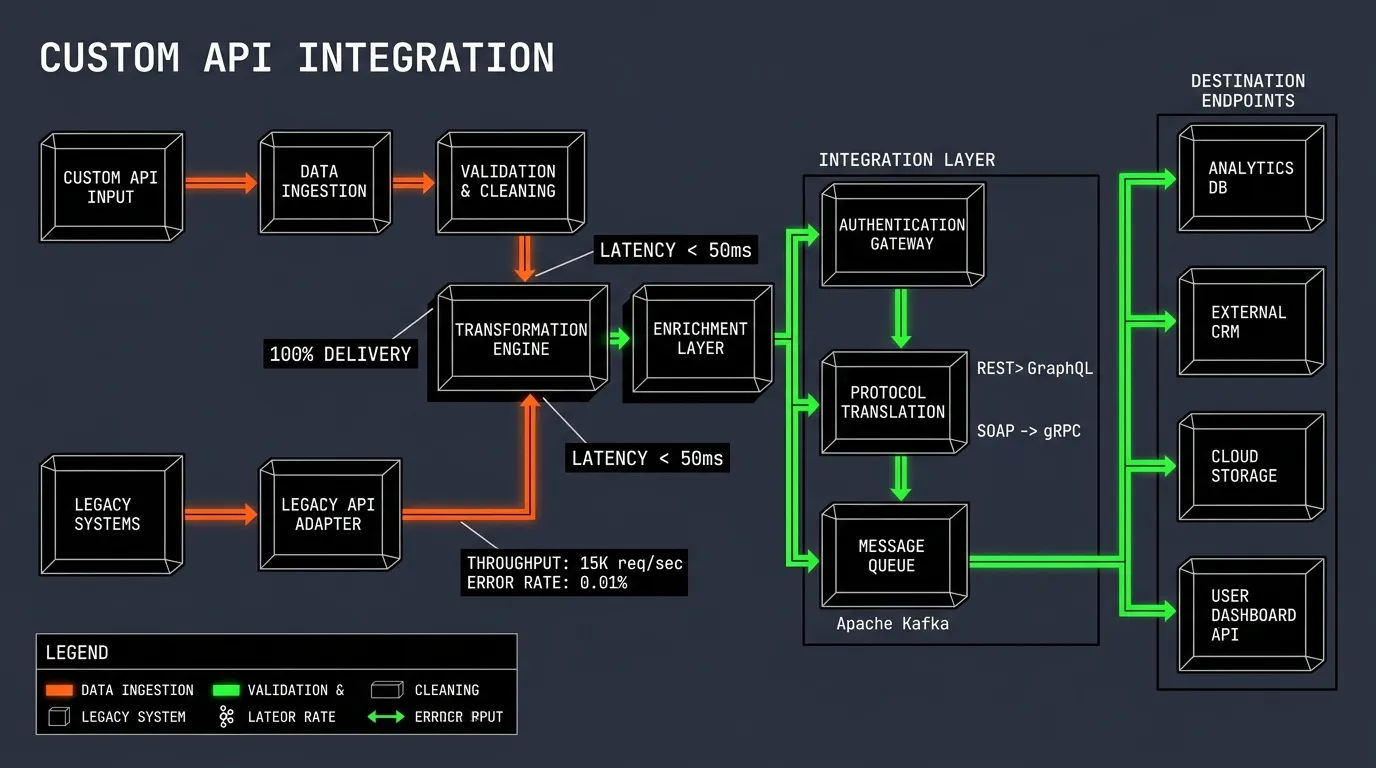
The shift to Dolby Atmos encoding at scale, combined with 30-feed concurrency per user, indicates a significant hardening of Apple's adaptive bitrate streaming (ABS) pipelines. Developers handling high-volume media ingestion must note the move toward multi-stream synchronization for the Multiview orchestration, which requires low-latency packet alignment across heterogeneous device endpoints (TVs vs. mobile).
Example of a conceptual stream selection payload for a multi-feed interface:
{
  "stream_config": {
    "layout": "grid_4",
    "audio_profile": "atmos_v2",
    "sync_drift_threshold": "50ms",
    "sources": ["main_feed", "driver_tracker", "data_telemetry", "onboard_mixed"]
  }
}
Action Plan for Developers & Businesses
- Audit Latency Budgets: If you are building multi-stream interfaces, test synchronization drift across various display hardware. As device diversity grows, the jitter buffer must be strictly managed to prevent UI desync.
- Optimize Asset Delivery: Evaluate your current audio/video codec overhead. Moving to Atmos/Vision requires tighter edge-caching strategies to maintain 4K quality without saturating the client-side buffer.
- Leverage Native APIs: Stop building custom frame-stitching logic. Utilize platform-level APIs like Apple’s AVFoundation enhancements to manage feed switching, as these now handle the heavy lifting for multi-stream viewports efficiently.
Waleed's Desk Need to architect high-concurrency streaming infrastructure? Check out my past systems work or let’s talk technical strategy.