The Core Update
Google has introduced Gemini 4 Argon, a new frontier model engineered for high-precision, multi-step reasoning. Unlike previous iterations, Argon demonstrates significant improvements in spatial awareness, mathematical verification, and unstructured data-to-3D visualization. It is specifically tuned for workflows involving complex coding tasks, cybersecurity analysis, and real-time environment simulation. Official Source: Google AnnouncementTechnical Impact & Mechanism
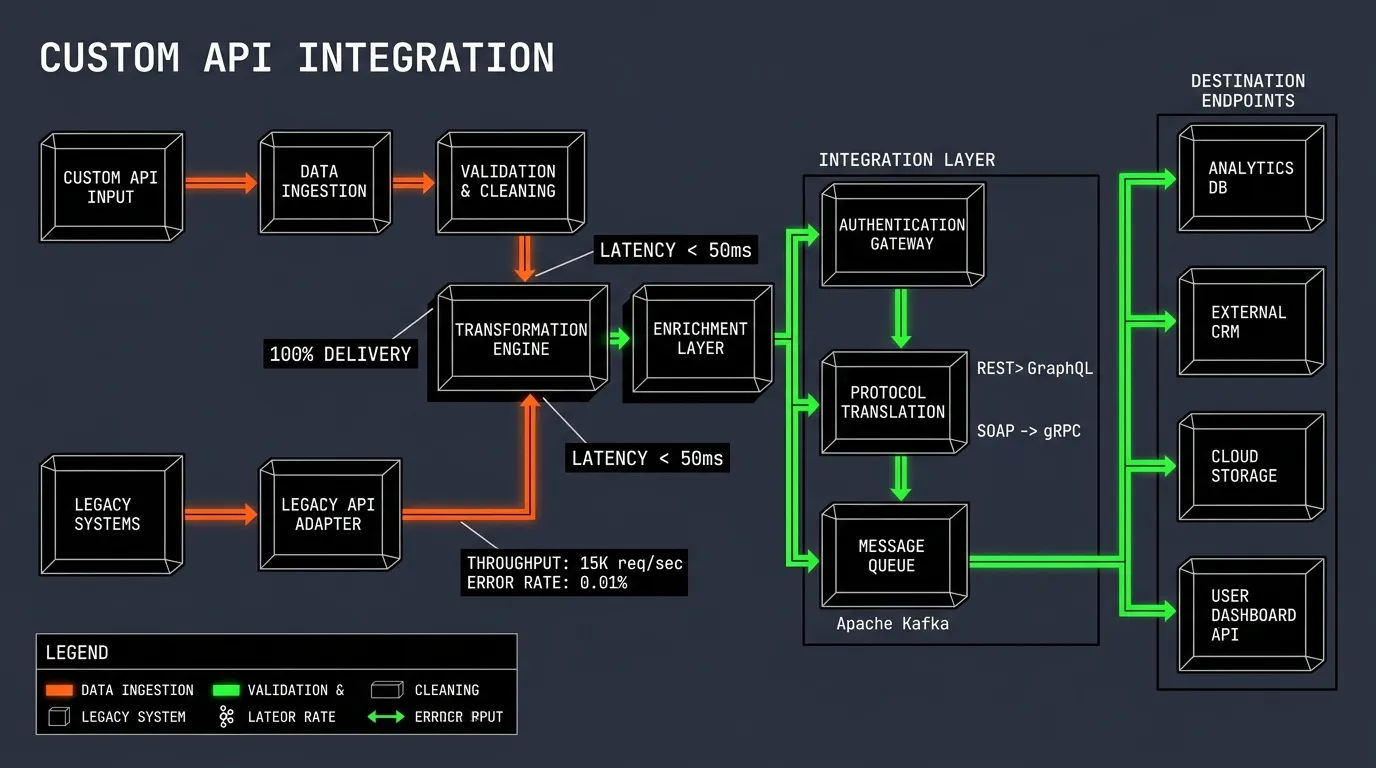
Argon addresses the friction of context degradation in long-horizon tasks. Where earlier models struggled to maintain state across simultaneous element rendering, Argon preserves logical consistency in multi-step chains. This allows for direct integration with libraries like Three.js and Blender.For developers, this means the ability to pipeline raw API data (seismic feeds, telemetry) directly into render loops without heavy middleware.
Example Implementation Pattern:
CONSOLE // JAVASCRIPT
SYNTAX_CHECK: OK
// Argon-driven Three.js component generation
const modelRequest = {
  prompt: "Render turbine with real-time pressure telemetry",
  context: telemetryStreamData,
  precision: "high",
  spatialConstraint: true
};

const scene = await gemini4.generate3DScene(modelRequest);
scene.mount(viewportElement);
Action Plan for Developers & Businesses
- Audit Existing Pipelines: Identify high-latency data parsing steps where you currently use manual scripts; test if Argon can replace these with native visual rendering.
- Test Spatial Reasoning: Move complex multi-variable simulations (e.g., fluid dynamics, real-time mapping) into Argon to benchmark performance against existing LLMs.
- Refine Prompt Engineering: Shift focus from basic query-response to state-heavy instructions that leverage Argon’s ability to coordinate simultaneous sub-elements.