The Core Update
Google has scaled its News AI pilot, now including over 400 global publications. The program establishes a direct licensing model where publishers receive compensation for providing high-quality training and inference data to support generative features, specifically article summarization and audio briefings. Official Source: Google AnnouncementTechnical Impact & Mechanism
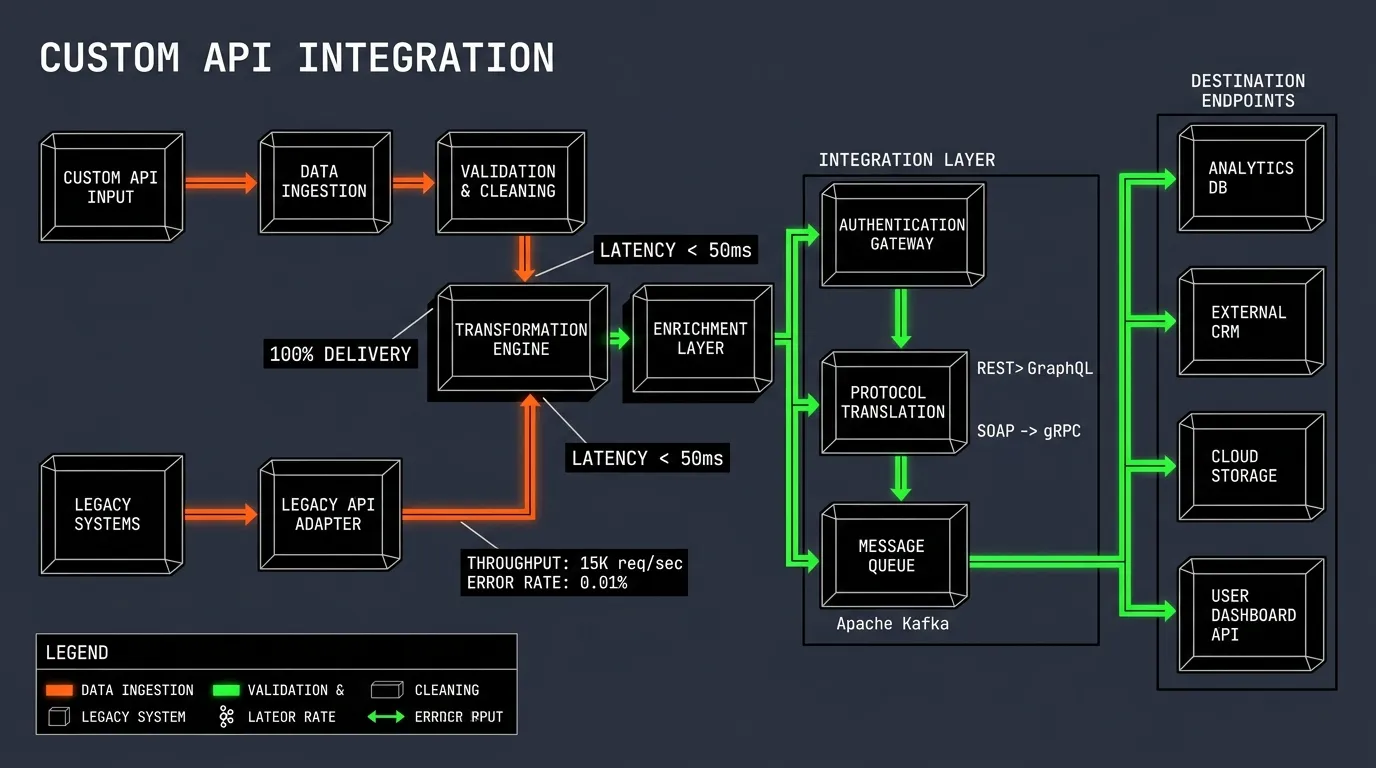
The core mechanism here is the move from unstructured web scraping to formalized, compensated data pipelines. This implies that participating publishers are likely integrating structured metadata and high-fidelity content feeds (RSS/JSON) directly into Google’s training architecture.For engineers, this represents a shift toward 'Data-as-a-Product.' Instead of relying purely on SEO ranking, news sites are optimizing their ingestion endpoints for LLM consumption.
// Example: Structural schema for AI-ready content ingestion { "article_metadata": { "crawlablity": "allow", "license_status": "paid-pilot", "summaryhooks": ["keypoints", "contextual_background"], "audioingestendpoint": "https://api.publisher.com/v1/audio-briefing" } }
Action Plan for Developers & Businesses
- Audit Content Exposure: Review your site’s schema markup. If you are a high-volume publisher, ensure your content is exposed in machine-readable formats that prioritize clarity over ad-heavy UI layout.
- Prioritize API Integrity: Treat your content feeds as APIs. Implement strict versioning and schema validation to ensure that AI summarization models receive consistent, clean payloads.
- Re-evaluate Attribution Models: As 'click-through' metrics change, pivot your tracking to measure 'Content Engagement' via referral headers that explicitly identify traffic from AI-summarized snippets.