The Core Update
Google has launched a targeted initiative providing 200 elite European researchers with access to frontier AI models and $3 million in compute resources. This program, tied to the EU’s 'AI for Science' project, grants direct access to specialized tools including AlphaFold 3, WeatherNext, AlphaGenome, AlphaEvolve, and AlphaEarth. Official Source: Google AnnouncementTechnical Impact & Mechanism
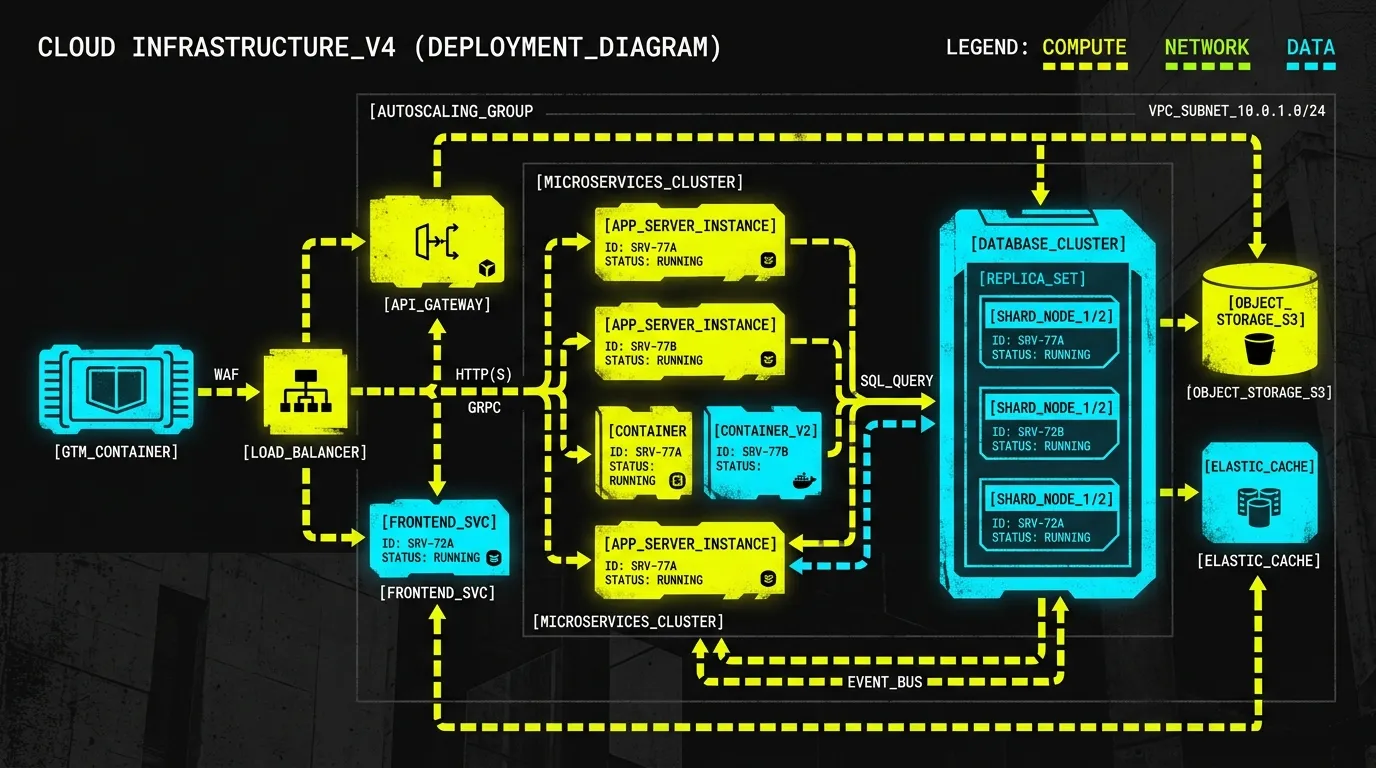
The core friction in modern scientific computing is the 'compute gap'—the latency between hypothesis formation and model inference at scale. By leveraging Google Cloud infrastructure, researchers can bypass local GPU bottlenecks and deploy models directly into a managed, high-performance environment. Expect this to shift research architecture toward cloud-native, API-first model consumption.To hook into these environments, developers should familiarize themselves with standard cloud compute configurations for high-memory workflows:
CONSOLE // YAML
SYNTAX_CHECK: OK
# Sample GCE configuration for high-compute AI workloads
resources:
  machine_type: n2-standard-32
  accelerator_type: nvidia-tesla-a100
  accelerator_count: 4
  disk_size_gb: 500
  image_family: deeplearning-pytorch-latest
Action Plan for Developers & Businesses
- Audit Infrastructure Needs: Identify your current compute bottlenecks. If you are conducting large-scale data simulation, determine if your workload fits the RAISE initiative criteria.
- Shift to API-First Research: If you're building proprietary research tools, decouple your model inference layers. Use containerized endpoints that can easily switch between internal hardware and external cloud resources.
- Leverage Cloud Credits: If you are based in the EU and working on high-impact research, immediately investigate the application process for the RAISE compute grant to minimize overhead costs.
Author Outro
I build high-performance data systems that bridge the gap between complex research and scalable production.- Check my recent Case Studies & Work.
- Have an infrastructure challenge? Contact Waleed.