The Core Update
Southeast Asia's digital economy shows rapid expansion. Generative AI is a primary growth engine, projected to drive the region's digital economy to $368 billion by 2026.This trajectory aims for
This shift introduces 'agentic commerce,' where consumers increasingly trust AI for complex purchasing decisions.
Official Source: Google Announcement
Technical Impact & Mechanism
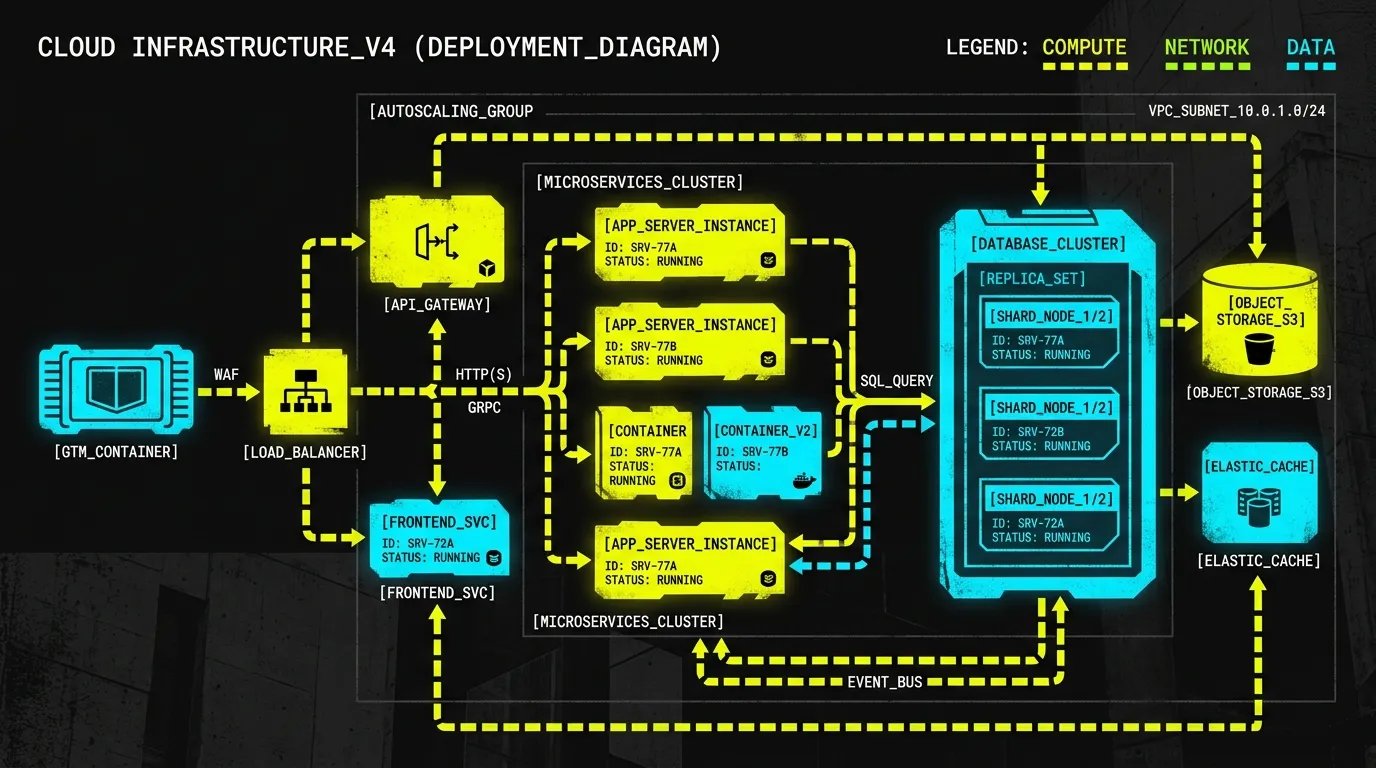
Traditional digital systems face new scaling challenges. The rapid adoption of AI for autonomous transactions strains existing infrastructure.AI agents require stable, low-latency data access. This necessitates pushing distributed data processing closer to the user base. Expect increased pressure on API gateways and demands for secure credential management within agentic systems.
Architectural focus shifts from passive user interfaces to active, AI-driven workflows. Backend services must expose richer APIs, allowing programmatic control for AI entities.
For example, an e-commerce API might evolve from simple GET /products to requiring POST /agent/purchase with rule sets and delegated authority. This needs robust authentication, like OAuth 2.0 with granular scopes for machine identities, alongside secure transaction logging and idempotent operations.
Backend systems must now handle a surge of highly parallel, machine-initiated requests. This pushes requirements towards container orchestration platforms, serverless function usage, and globally distributed databases. Data center energy efficiency moves beyond just sustainability; it's now a critical operational metric for cost and resilience.
Action Plan for Developers & Businesses
- Re-architect for Agentic Workflows: Design APIs and services explicitly for machine-to-machine interactions. Ensure idempotency, build robust retry mechanisms, and prioritize comprehensive error handling in your system design.
- Invest in Scalable Data Infrastructure: Focus on low-latency data storage and processing capabilities. Consider edge computing and Content Delivery Network (CDN) expansion to meet regional AI demand efficiently.
- Enhance AI Integration Points: Implement multimodal discovery tools and in-app AI assistants. Actively track their impact on conversion rates and overall order volume to measure effectiveness.
- Monitor Infrastructure Efficiency: Regularly evaluate cloud expenditure and on-premise energy consumption. Optimize your infrastructure for power efficiency, a crucial factor for sustained economic growth.
Waleed's Take:
The SEA market shows how fast AI can reshape commerce. We're moving towards systems where machines act autonomously. This isn't just a feature; it's a fundamental shift in how we build and scale digital products. Get your data pipelines and API surfaces ready for this.
Need to align your tech strategy with these shifts? Check out our Case Studies & Work or Contact Waleed directly.